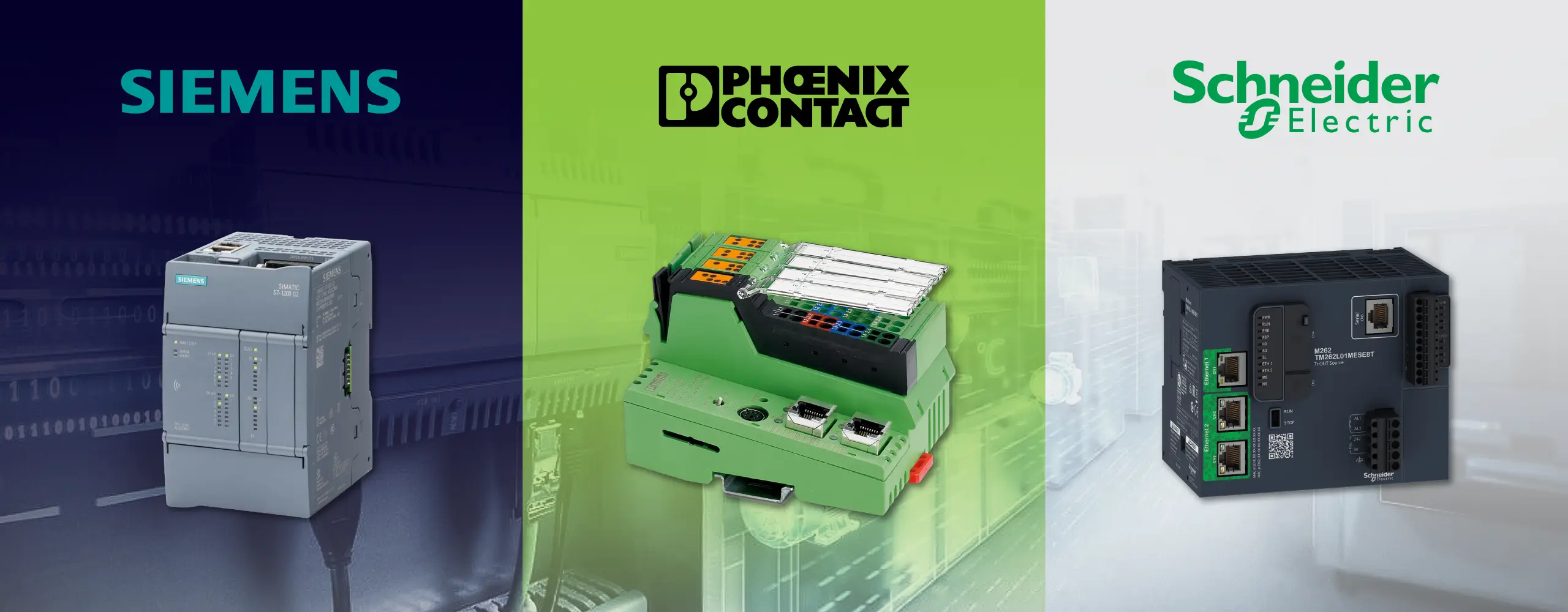
A Programmable Logic Controller (PLC) is essentially the brain of an automated system. Unlike a general-purpose computer, it is specifically designed for real-time control of industrial processes.
A PLC operates on a cyclic execution principle, also known as the scan cycle:
1. Input Scan – Reads the state of sensors, switches, and other field devices (digital/analog).
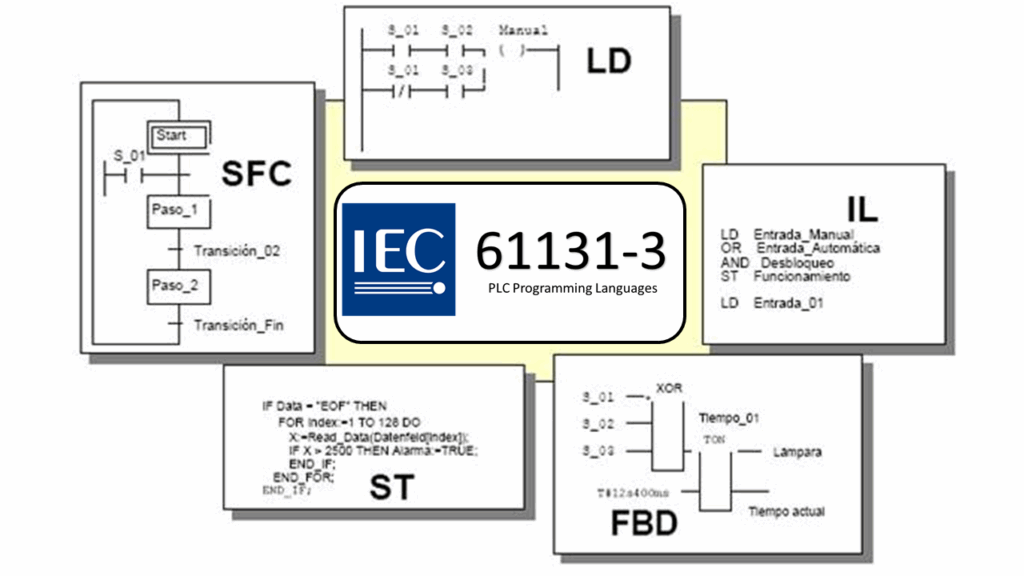
2. Logic Execution – Executes the control program according to IEC 61131-3 languages (ladder logic, function block diagram, structured text, etc.).
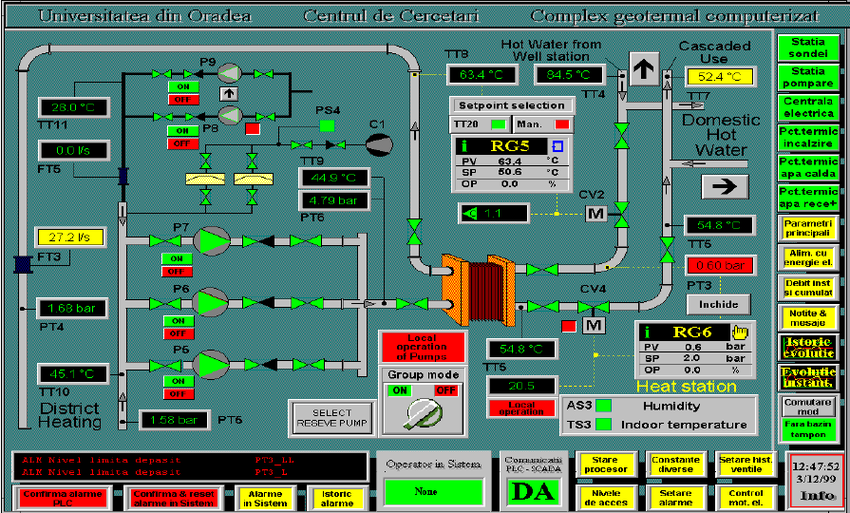
4. Diagnostics & Communication – System health, communication with HMIs, SCADA, and higher-level MES/ERP systems.
This cycle is repeated continuously, often in the range of milliseconds, allowing real-time deterministic control.
PLCs integrate with industrial networks (Profinet, Modbus, EtherCAT, Ethernet/IP, etc.) to exchange data between machines, higher-level systems, and the cloud.
Without PLCs, modern production lines would lack precision, repeatability, and fault tolerance, making them indispensable in today’s Industry 4.0 and IIoT ecosystems.
Siemens PLCs – SIMATIC as Industry Standard
Siemens PLCs – SIMATIC as Industry Standard
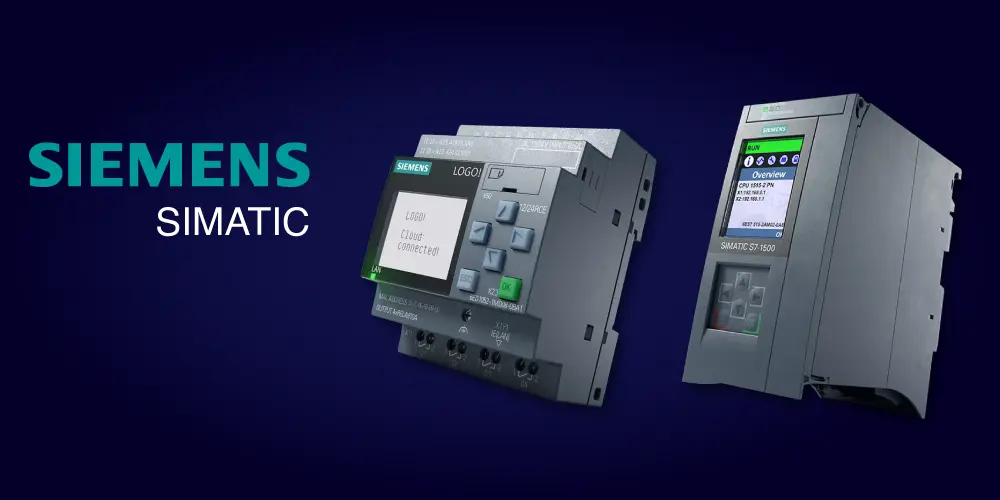
Siemens SIMATIC controllers are known as the benchmark in PLC technology, widely used across industries.
Operating Principles & Strengths:
CPU Core & Performance: S7-1500 uses advanced processors with deterministic cycle times (<1 ms for basic operations). Built-in hardware diagnostics ensure reliability.
Scan Cycle: Prioritizes deterministic execution with optimized task scheduling for complex automation.
Networking: Native support for PROFINET, PROFIBUS, OPC UA, and direct connectivity with SCADA/MES.
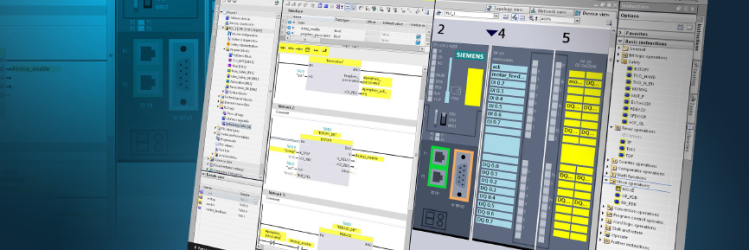
Programming Environment: TIA Portal – integrates PLC, HMI, drives, and even safety into a single platform. Supports Ladder, FBD, ST, SCL, and high-level logic structuring.
Safety & Redundancy: Fail-safe CPUs (F-series) for safety applications (SIL 3) and redundancy for high-availability systems.
Use Cases: Automotive lines, power plants, pharmaceuticals, chemical processing, and any industry needing robust high-availability control.
Phoenix Contact PLCs – PLCnext for Openness & IT/OT Fusion
Phoenix Contact PLCs – PLCnext for Openness & IT/OT Fusion
Phoenix Contact takes a different approach with PLCnext Technology, positioning itself as a bridge between classical automation and modern IT.
Operating Principles & Strengths:
CPU & Architecture: Combines real-time control cores with open Linux-based environment. This allows deterministic PLC cycle control and parallel execution of higher-level applications.
Open Platform: PLCnext Store allows downloading apps (similar to mobile app stores) for extended functionality.
Programming Flexibility: Besides classic IEC 61131-3 programming, supports C/C++, C#, Python, MATLAB Simulink directly on the controller.
Networking: Supports Profinet, Modbus TCP/RTU, OPC UA, MQTT, and direct cloud connectors (Azure, AWS, etc.).
Parallelism: Unlike traditional scan-only PLCs, PLCnext supports multi-core CPUs, making it scalable for heavy computing tasks (AI, predictive analytics, image recognition).
Use Cases: Smart factories, IIoT solutions, research environments, hybrid IT/OT infrastructures.
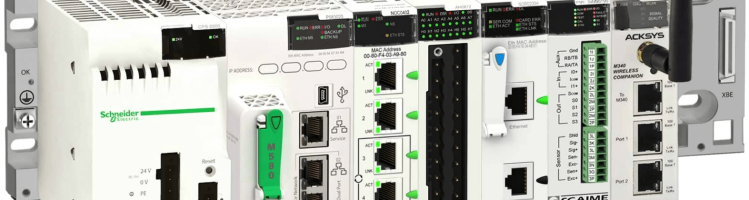
Schneider PLCs – Modicon Legacy with Modern EcoStruxure
Schneider PLCs – Modicon Legacy with Modern EcoStruxure
Schneider’s Modicon series (the world’s first PLC in 1968) remains a major player, now integrated with EcoStruxure, their digital automation ecosystem.
Operating Principles & Strengths:
CPU & Scan Cycle: Optimized for both machine control and process automation, with deterministic execution similar to Siemens.
Programming Environment: EcoStruxure Control Expert (formerly Unity Pro) – full IEC 61131-3 compliance.
Networking: Modbus (their own legacy standard), Ethernet/IP, OPC UA, CANopen, and direct integration with Schneider’s energy monitoring systems.
Industry 4.0 Ready: Cloud connectivity, cybersecurity, and analytics integration are standard.
This means an automation engineer familiar with one ecosystem can adapt quickly to another, making these systems interchangeable in practice, especially when integrating with HMIs, SCADA, or IIoT platforms.
Conclusion
Conclusion
PLCs are not just controllers—they are the central nervous system of industrial production.
Phoenix Contact pushes openness and IT/OT convergence with PLCnext.
Schneider combines robust control with a strong focus on energy management.
All three share a common DNA of deterministic real-time control, standard programming, and industrial networking, which ensures factories stay flexible, efficient, and future-ready.
Other Blogs
Smart Farming with IFM
IFM, high-end solutions for agriculture, from open field cultivation to state-of-the-art greenhouses and precision animal husbandry.
FLEXCO: Every Second Counts
How FLEXCO revolutionized conveyor belt service in the mining industry
Data center for modern business
Data center In today’s digital economy, have become the backbone of technological progress.
Phoenix Contact: kick-off Amsterdam
Phoenix Contact: Global meeting in Amsterdam in 2025: an unforgettable trip to Phoenix Contact
📞 Need a high quality modern solution? Contact our team of professionals!